Gyanesh Kumar: Why the Chief Election Commissioner Is Trending Amid the SIR Controversy
Chief Election Commissioner Gyanesh Kumar is among the trending searches in India on September 28, 2026, as a political and legal controversy surrounding the Election Commission of India (ECI) continues to develop.
Google Trends data in the screenshot provided for this article shows “ज्ञानेश कुमार” (Gyanesh Kumar) with more than 10,000 searches in India over the previous four hours, with search interest up by 200% and the trend marked active.
The recent attention is linked mainly to questions surrounding the Election Commission's Special Intensive Revision (SIR) of electoral rolls, reports about objections raised by two Election Commissioners, political demands concerning Kumar, and a petition filed before the Supreme Court.
The allegations and legal claims remain contested. The Election Commission has said that decisions relating to SIR were taken with the approval of all three Election Commissioners.
Who Is Gyanesh Kumar?
Gyanesh Kumar is the 26th Chief Election Commissioner of India. He took charge on February 19, 2025.
According to the Election Commission's official profile, Kumar is a 1988-batch Kerala-cadre IAS officer. He has served in several positions in the Kerala government and the Government of India, including roles in the Ministry of Home Affairs, Ministry of Parliamentary Affairs and Ministry of Cooperation.
He was appointed an Election Commissioner on March 15, 2024, before becoming Chief Election Commissioner in February 2025.
The current Election Commission consists of CEC Gyanesh Kumar and Election Commissioners Sukhbir Singh Sandhu and Vivek Joshi.
Why Is Gyanesh Kumar Trending?
The current attention centres on an investigation published by The Indian Express that reported formal objections by Election Commissioners Sukhbir Singh Sandhu and Vivek Joshi.
According to that report, the two commissioners recorded objections at least 14 times over 10 months concerning decisions and orders connected with electoral-roll management and the SIR exercise. The report said the objections covered issues including voter additions, deletions and restoration, changes to the voter-registration process and access to electoral-roll data.
The report also said some objections described certain steps as unauthorised or illegal. Those are claims contained in the reported objections, not findings by a court.
What Is the Special Intensive Revision?
The Special Intensive Revision (SIR) is an exercise undertaken by the Election Commission to revise electoral rolls.
The process has attracted significant political and legal attention because it involves checking voter records and can result in names being retained, added, deleted or restored according to the applicable electoral process.
The Indian Express reported that the SIR began in Bihar in June 2025 and was subsequently expanded to other states and Union Territories.
The Election Commission has maintained that its SIR-related decisions were taken collectively.
What Did the Two Election Commissioners Object To?
According to the Indian Express investigation, Sukhbir Singh Sandhu and Vivek Joshi raised concerns about several aspects of the Election Commission's functioning.
Among the issues reported were:
Changes to Form 6, which is used for voter registration.
Procedures involving addition and deletion of names.
Restoration of voters during the SIR process.
Appeals related to electoral-roll decisions.
Access and control over electoral-roll data.
Changes involving the Commission's IT systems.
Whether certain decisions had been taken with the knowledge or approval of all members.
The report said the objections were also copied to CEC Gyanesh Kumar.
What Has the Election Commission Said?
The Election Commission has disputed the suggestion that its decisions were taken without collective approval.
EC officials said that all decisions, including those concerning SIR, had the approval of all three Election Commissioners. The Commission also maintained that the reported differences did not mean that its formal decisions lacked unanimity.
The ECI has also said that changes made to Form 6 were upheld by the Supreme Court, according to reporting on the Commission's response.
The Commission has therefore presented a different account from the interpretation drawn by political opponents and some reports about the internal exchanges.
Why Is Congress Protesting?
The controversy has also become a political issue.
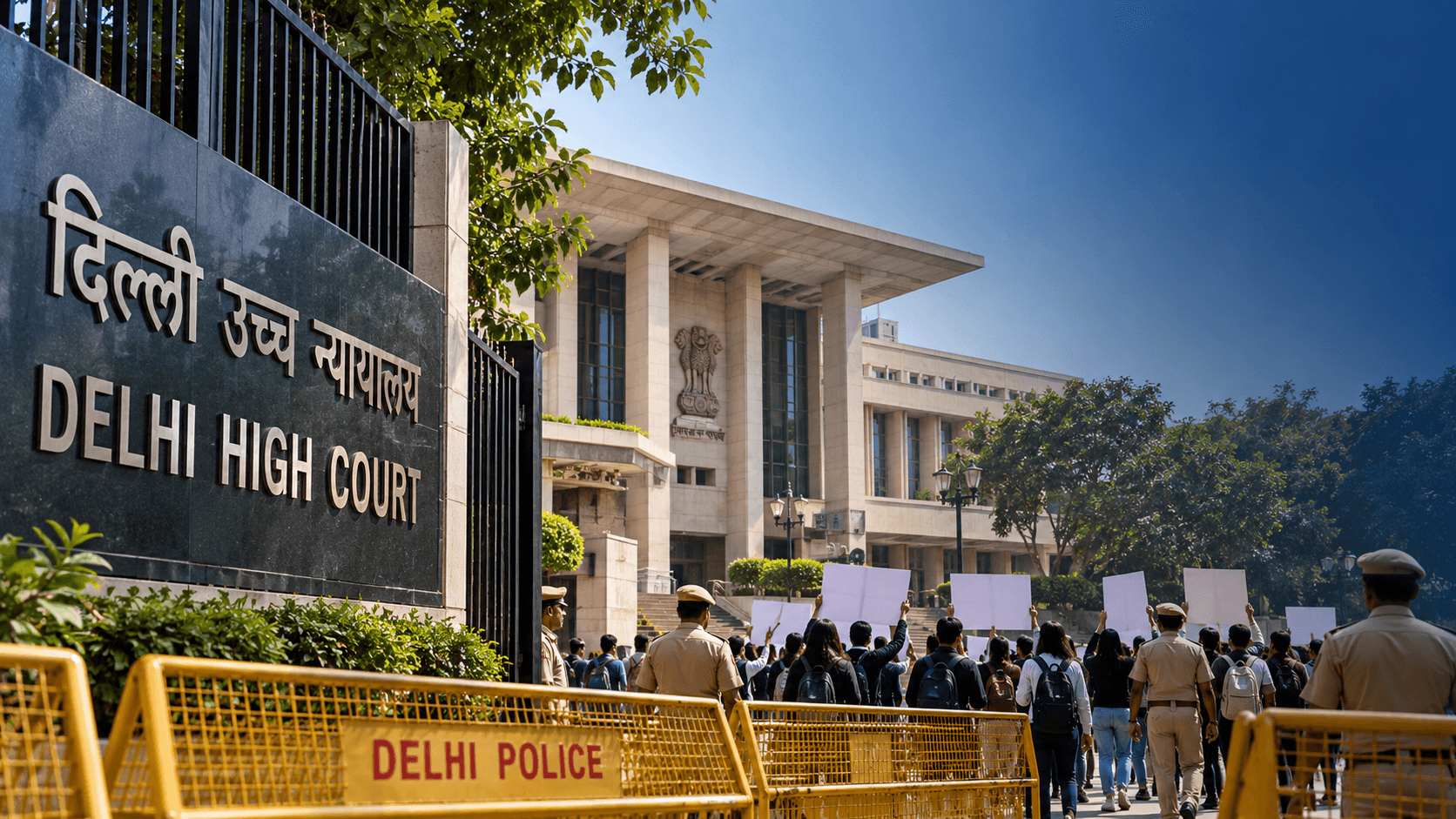
The Congress party has demanded action against Gyanesh Kumar and has announced protests in several states over the SIR exercise and the reported differences within the Election Commission.
For September 28, Congress units in states including Maharashtra, Jharkhand and Telangana announced demonstrations involving demands related to Kumar's resignation or removal.
These are political demands by Congress, not judicial findings against the CEC.
The party has alleged that the voter-roll revision process could affect eligible voters and has questioned the Election Commission's handling of the exercise. The Election Commission has rejected the broader suggestion that its SIR decisions were taken without collective approval.
What Is the Supreme Court Petition About?
The controversy has also reached the Supreme Court.
A Public Interest Litigation (PIL) was filed seeking action concerning alleged unilateral decisions by the Election Commission during the SIR process.
According to reports, the petition alleges that certain decisions were taken without the concurrence of the other Election Commissioners. It seeks judicial scrutiny and other reliefs concerning the functioning of the Commission and the electoral-roll revision process.
A separate report from The Tribune said the petition sought a judicial inquiry or an SIT investigation into allegations connected with voter-roll changes.
Importantly, filing a PIL does not establish that the allegations are true. The allegations remain matters for judicial consideration.
Is Gyanesh Kumar Resigning?
There has also been misinformation circulating online about Kumar's alleged resignation.
A purported resignation letter addressed to President Droupadi Murmu was circulated on social media. The Election Commission described the letter as fake.
Therefore, the viral resignation letter should not be treated as evidence that Kumar has resigned.
Why Did the Issue Become a Major Political Controversy?
The controversy combines several separate issues:
SIR and electoral-roll revision
Reported internal objections within the Election Commission
Political demands for action against the CEC
A Supreme Court petition
Questions about voter-registration procedures and electoral data
Disputes over how the Election Commission's decisions were taken
The situation has attracted attention because the Election Commission is a constitutional authority responsible for administering elections in India.
At the same time, it is important to distinguish between reported internal objections, political allegations and established legal findings.
What Happens Next?
The immediate focus is likely to remain on the legal proceedings, the Election Commission's handling of the SIR process and the political protests surrounding the controversy.
The Supreme Court petition may provide an avenue for judicial consideration of the issues raised by the petitioner. Meanwhile, the Election Commission continues to maintain that its decisions were taken collectively and according to the applicable process.
As the matter develops, statements from the Election Commission, court proceedings and verified documents will be more important than unverified social-media claims.
Bottom Line
Gyanesh Kumar is trending because of an ongoing controversy involving the Election Commission's SIR electoral-roll revision, reported objections by two Election Commissioners, political protests and a Supreme Court petition.
The Indian Express has reported that Sukhbir Singh Sandhu and Vivek Joshi recorded objections on several occasions, while the Election Commission has said that its decisions were approved by all three commissioners. A PIL has also been filed seeking judicial action over allegations concerning the Commission's decision-making.
At this stage, the allegations should not be presented as proven wrongdoing. The relevant legal and institutional processes are still developing.