Cockroach Janta Party Protest on October 10–11: What Happened in Delhi?
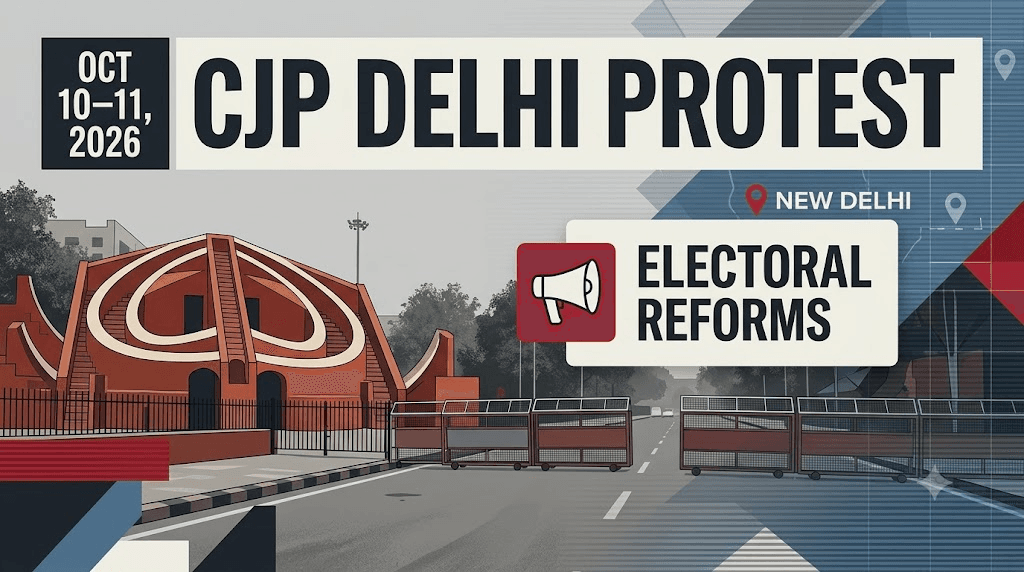
The Cockroach Janta Party (CJP) and several student organisations held protests in Delhi on October 10 and 11, 2026, demanding the resignation of Chief Election Commissioner Gyanesh Kumar and changes to the electoral system. The demonstrations drew attention after police detained thousands of people and restricted access to parts of the capital.
The protest centred on allegations surrounding revisions to India's electoral rolls. Opposition activists questioned whether the process had unfairly removed eligible voters, while the BJP defended the revision as a legitimate exercise intended to remove invalid entries. These competing claims remain central to the political dispute.
Why Did the Cockroach Janta Party Organise the Protest?
CJP announced the demonstration alongside student organisations, including the All India Students' Association (AISA), Students' Federation of India (SFI) and All India Students' Federation (AISF).
The groups called for Gyanesh Kumar to resign and demanded broader electoral reforms. Their objections focused on the revision of voter lists and allegations that eligible citizens had been excluded.
The allegations about voter deletions and political interference are contested. The BJP rejected claims that the electoral-roll exercise was politically motivated, describing it instead as a legitimate process to remove dead and otherwise ineligible voters.
What Happened During the October 10 Protest?
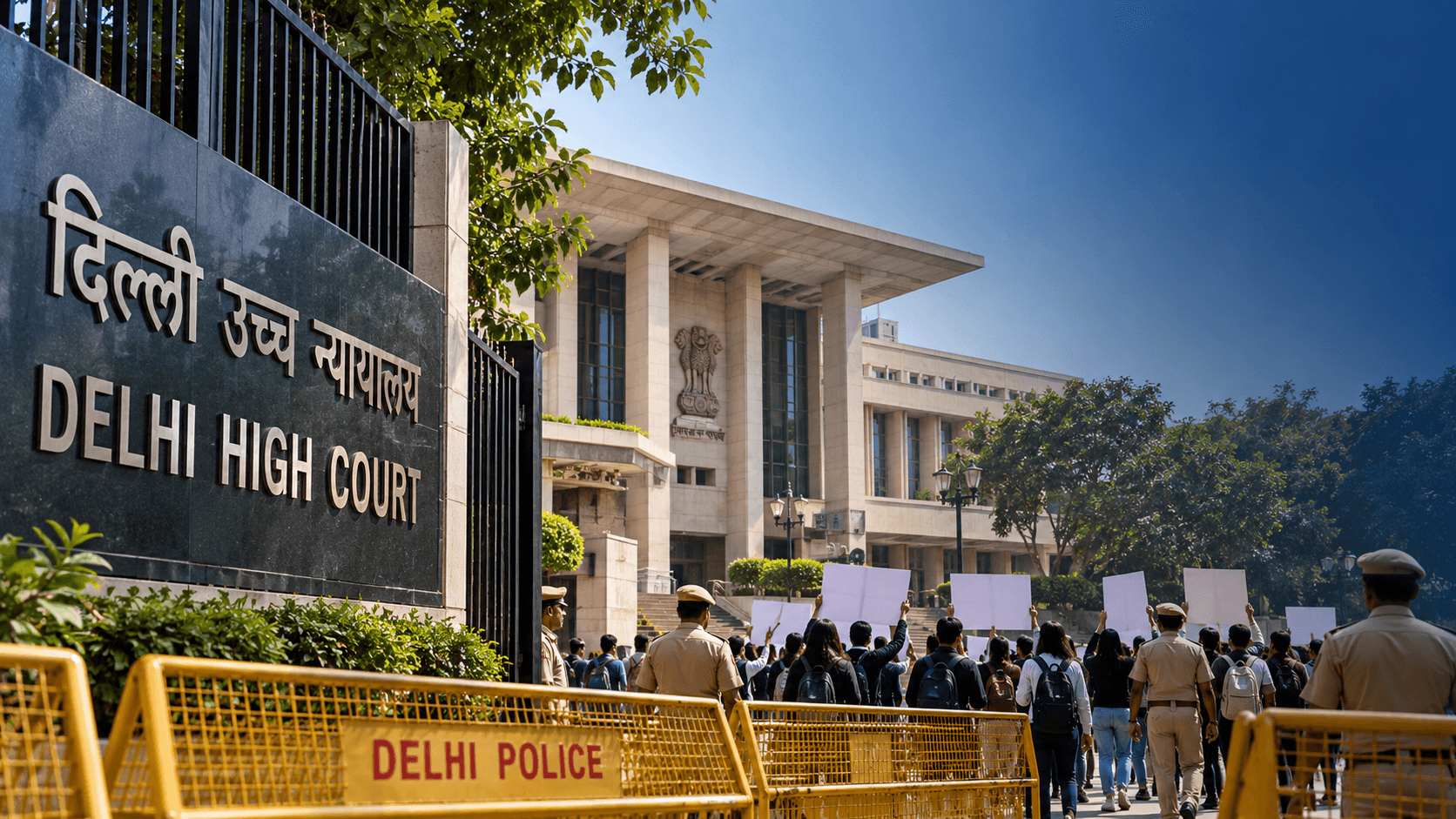
On Saturday, October 10, security restrictions prevented many demonstrators from reaching the planned protest area around Jantar Mantar.
The Guardian reported that more than 7,000 people were taken into police custody during the crackdown. Large numbers of police and paramilitary personnel were deployed, while barricades and restrictions affected movement around central Delhi.
Several CJP leaders were among those detained. The scale of the police response quickly became a major part of the story, with protesters and opposition figures raising concerns about freedom of assembly and the handling of the demonstrations.
CJP Leaders Released as Protests Continued on October 11
The demonstrations continued into Sunday, October 11, despite the previous day's detentions.
According to The Guardian, CJP leaders Abhijit Dipke, Saurav Das and Ashutosh Ranka were released after a magistrate ordered their release subject to a condition that they not breach the peace for a year.
Small groups of students and CJP supporters again attempted to demonstrate on Sunday. Some were detained, including student activist Neha Bora, according to the newspaper's reporting.
CJP representatives said they would continue their campaign. Their public statements broadened the criticism beyond the Chief Election Commissioner to include the central government’s handling of the protest. These were the organisers' political claims, rather than independently established findings.
Why Did the Protest Become a Major Political Issue?
The controversy involved two connected questions: how voter lists should be revised and how authorities should respond to demonstrations challenging that process.
Protest organisers argued that the revision could disenfranchise eligible voters and called for accountability. The BJP disputed the allegations, maintaining that the process was intended to remove invalid entries.
The reported detentions added another dimension to the dispute. Critics questioned whether the restrictions on demonstrators were proportionate, while the authorities' approach to maintaining public order became a subject of scrutiny.
The distinction between allegations and verified findings is important. Claims of voter-list manipulation should not be treated as proven solely because protesters have made them; equally, the scale of reported detentions warrants clear and accurate reporting.
Gujarat Activists Also Faced Restrictions
The controversy extended beyond Delhi. The Indian Express reported that several Gujarat activists who planned to travel to Delhi for the CJP demonstration were detained or placed under restrictions at their homes.
Some activists alleged that police required them to provide written undertakings that they would not travel to Delhi for the protest. The report also described efforts by activists and a lawyers' association to challenge the restrictions.
These accounts were attributed to the people involved. The Indian Express said police officials it contacted were unavailable for comment at the time of publication.
What Happens Next?
The immediate protest dates were October 10 and 11, but CJP leaders said their campaign for electoral reforms would continue. The wider dispute concerns the voter-roll revision, allegations about its impact on eligible voters and questions about the limits of police restrictions during political demonstrations.
Further developments will depend on subsequent protest plans, official responses and any legal proceedings or independent findings concerning the voter-roll allegations.
For now, the October 10–11 demonstrations have placed electoral reform and the treatment of protesters at the centre of a wider political debate. The claims made by political groups, the BJP's response and any verified official or judicial findings should be assessed separately as more information becomes available.
Key Takeaways
CJP and student organisations protested in Delhi on October 10–11, 2026.
The principal demands included Gyanesh Kumar's resignation and electoral reforms.
The Guardian reported that more than 7,000 people were detained on October 10.
Three CJP leaders were released on October 11 subject to a condition concerning public peace.
The BJP rejected allegations that the voter-roll revision was politically motivated.
The dispute also affected activists in Gujarat who planned to join the Delhi demonstration.
This report distinguishes reported events from allegations made by protesters and political parties. It will require an update if new official statements or verified developments emerge.